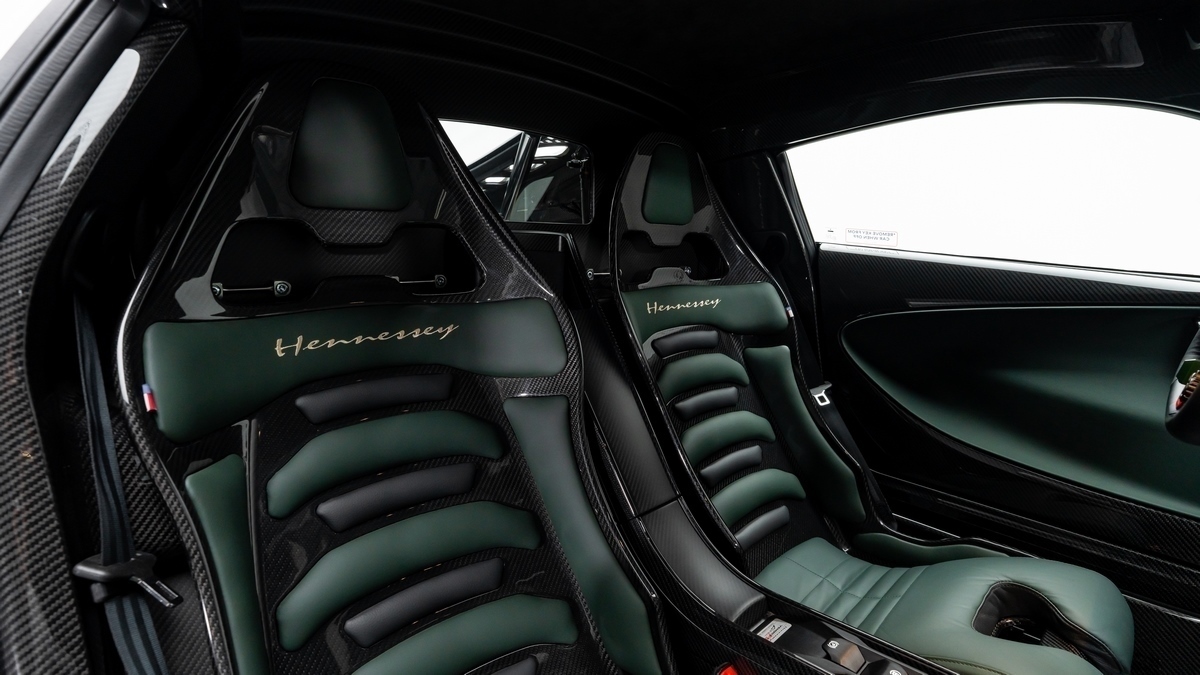
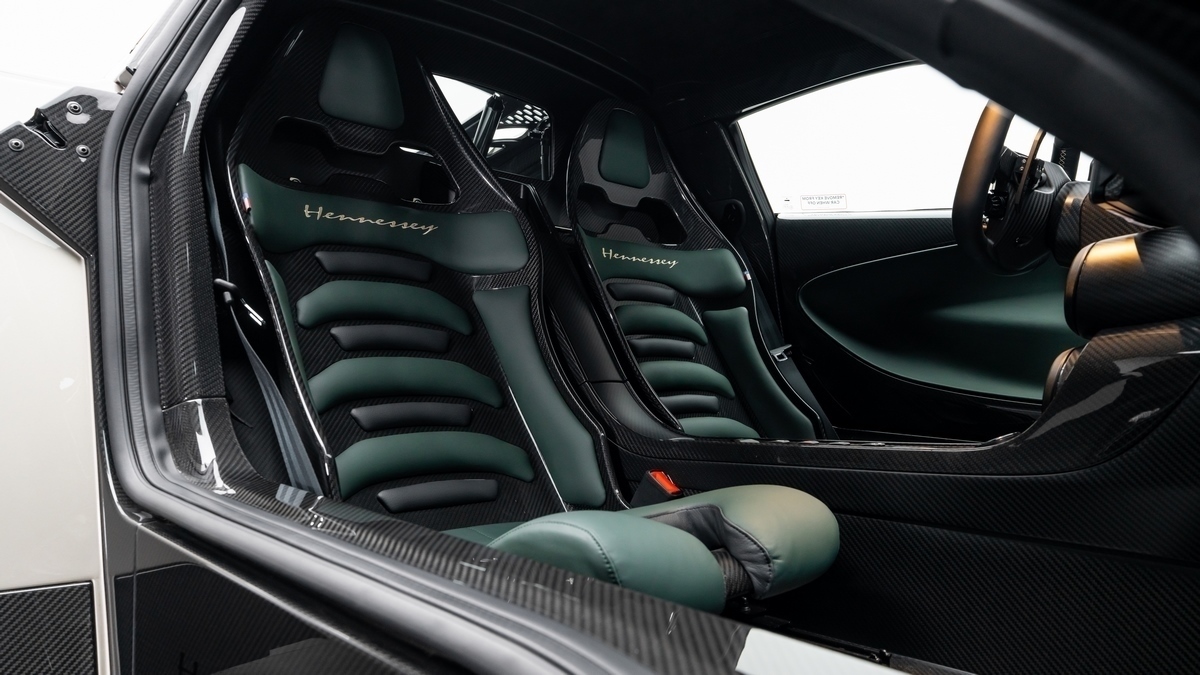
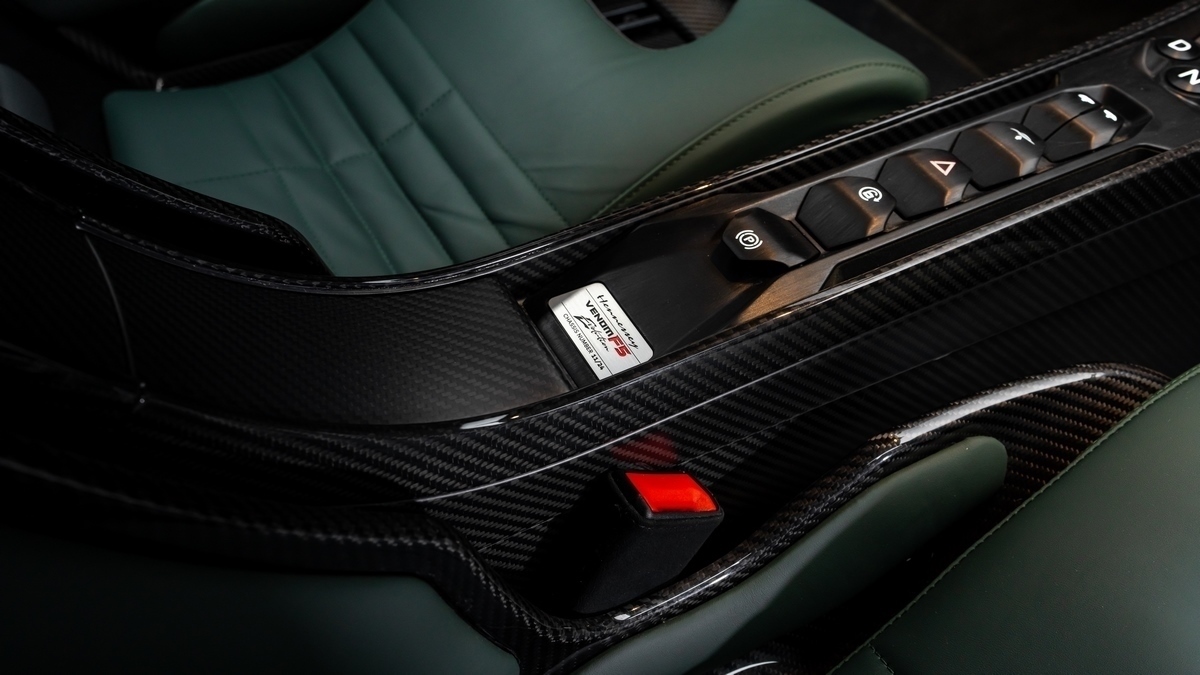
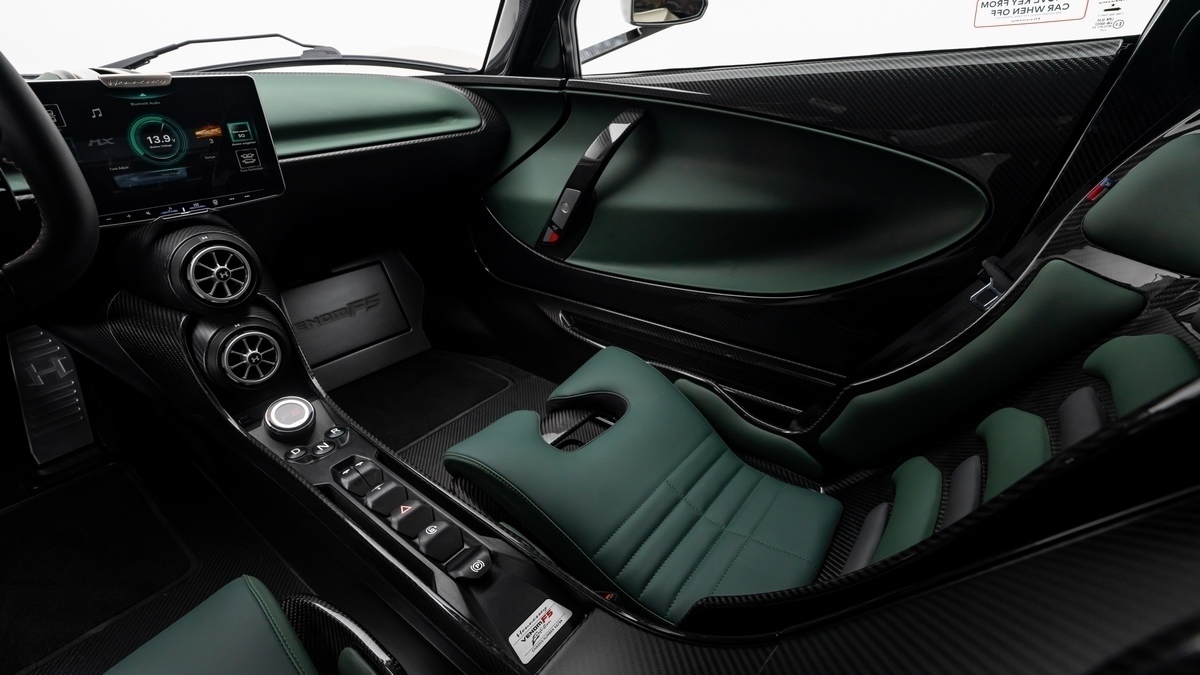
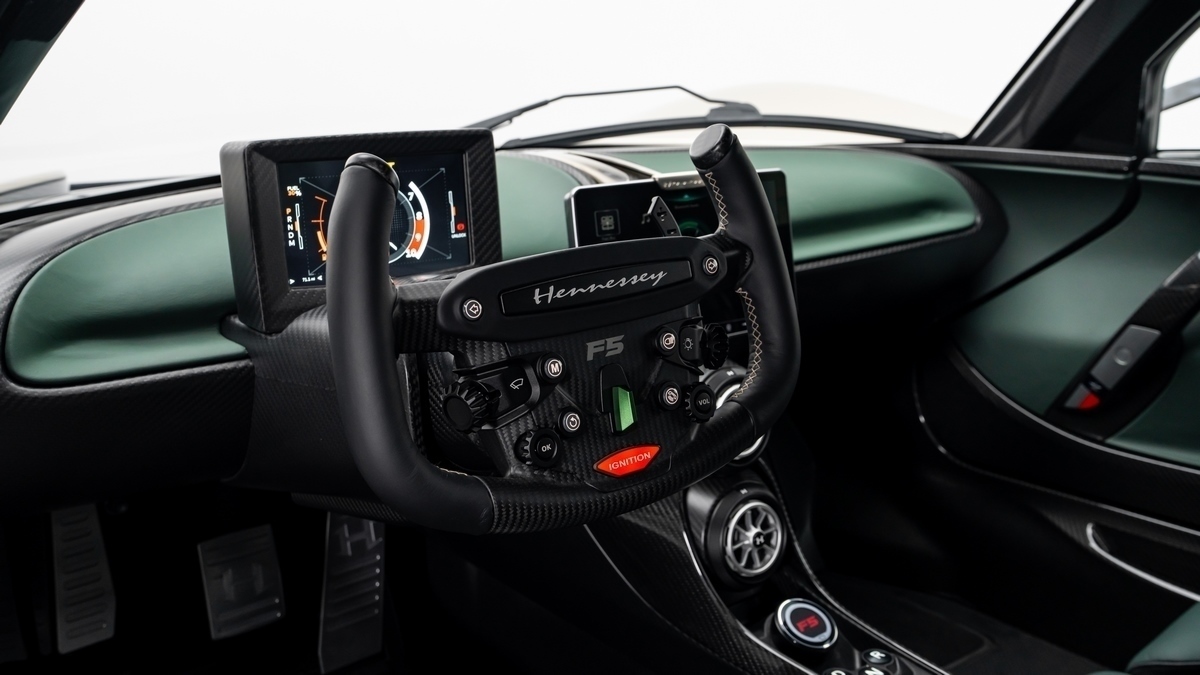
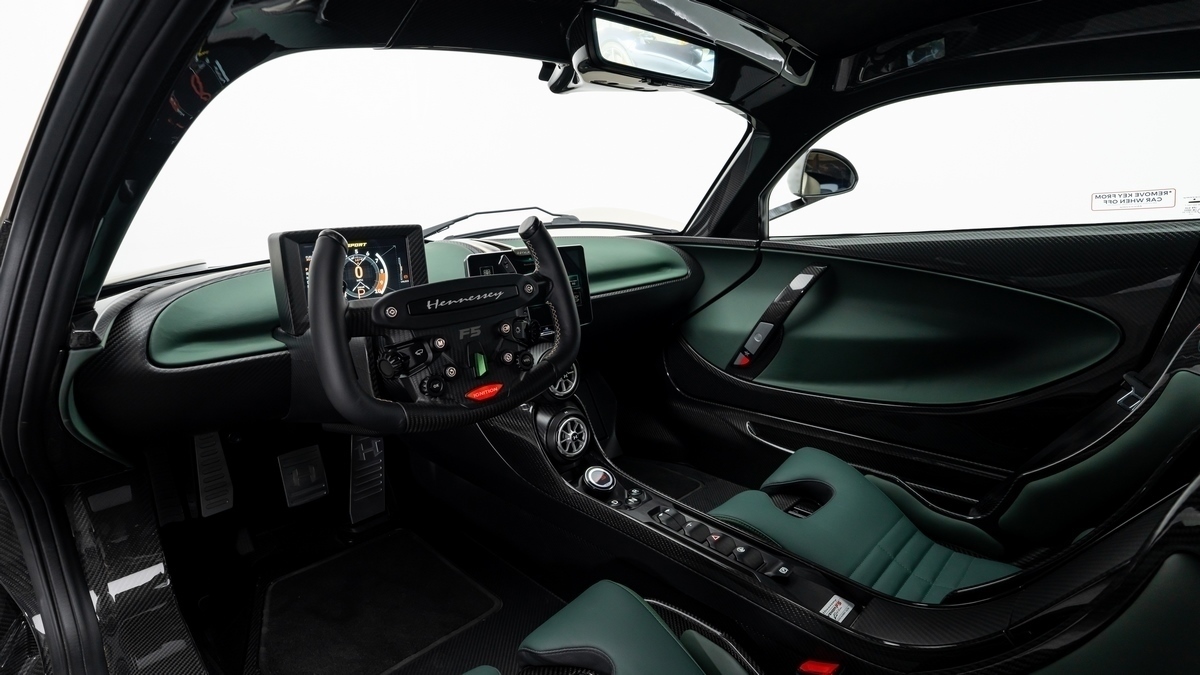
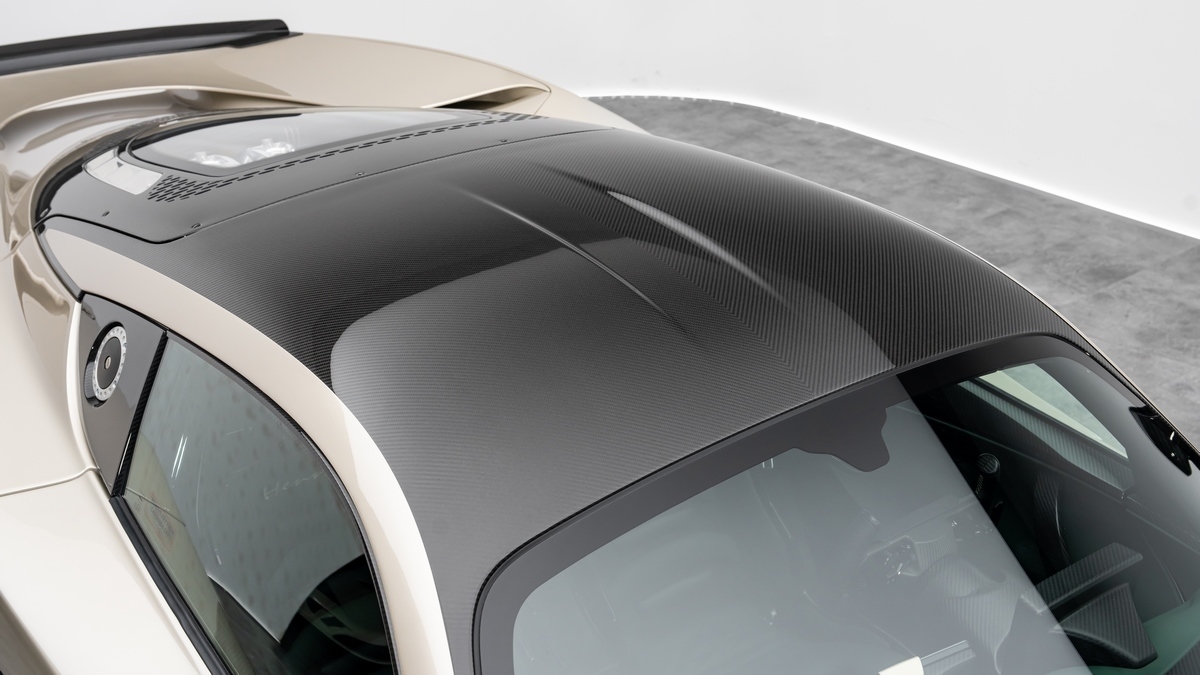
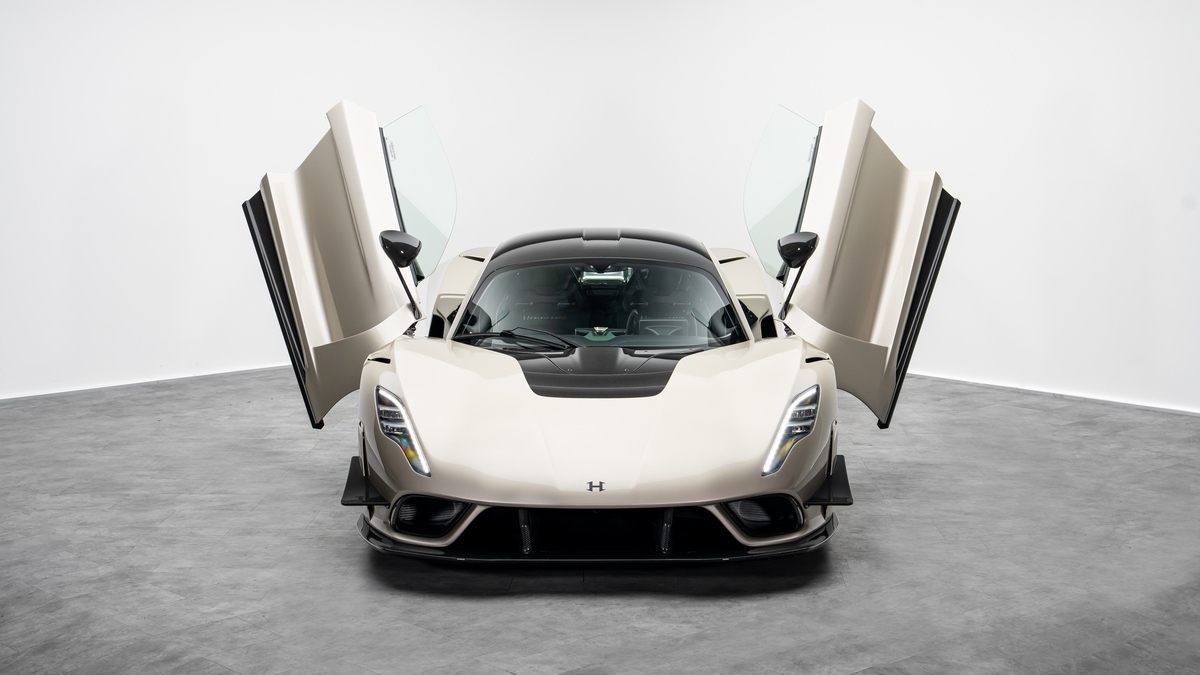
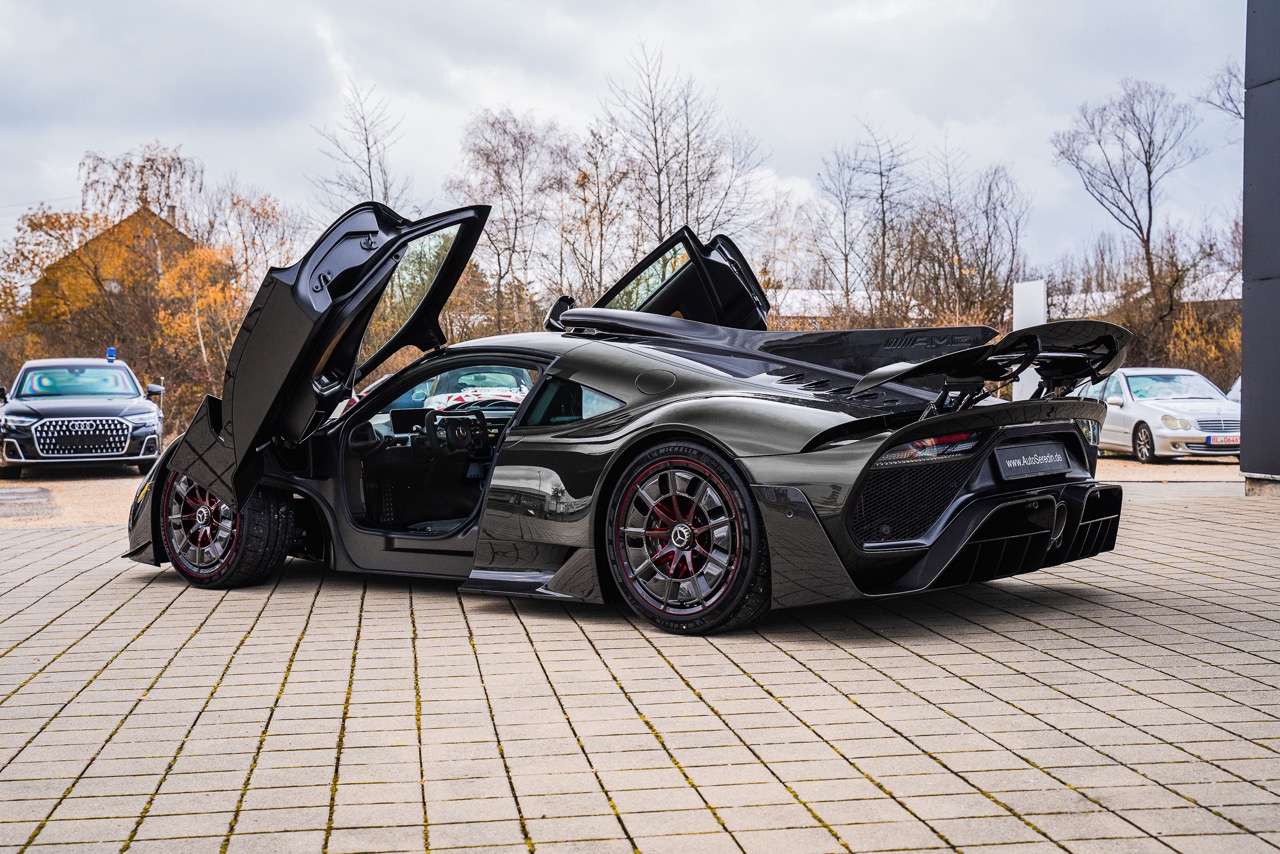
Production rarity score – 3/5
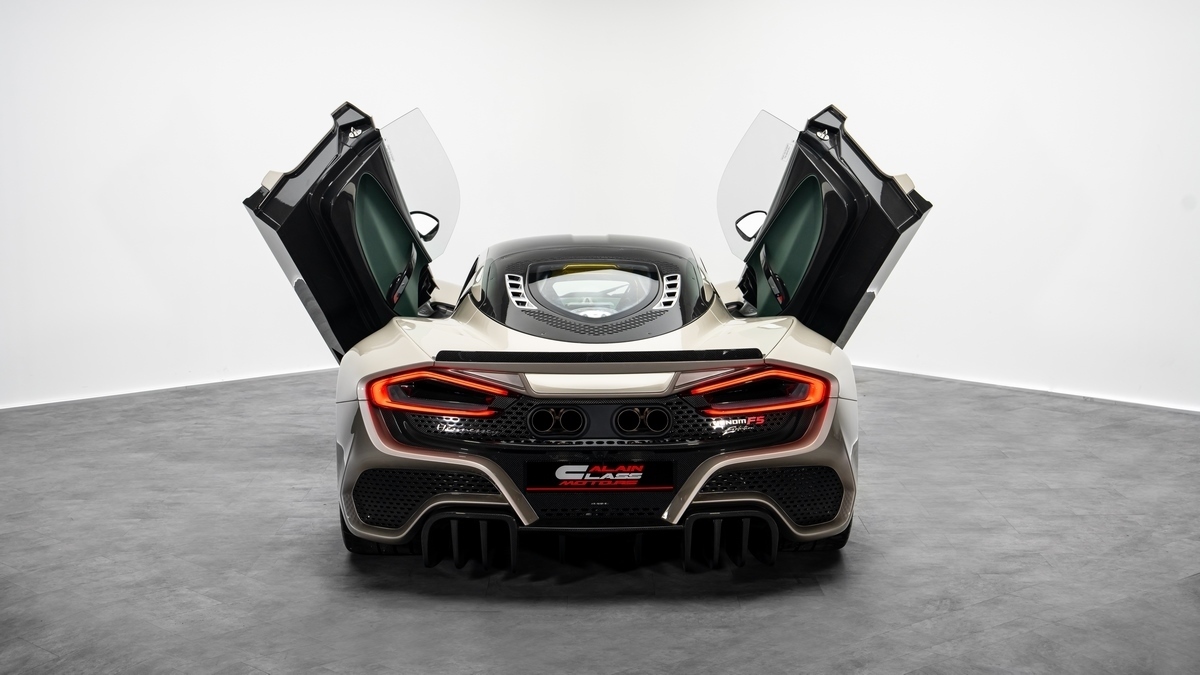
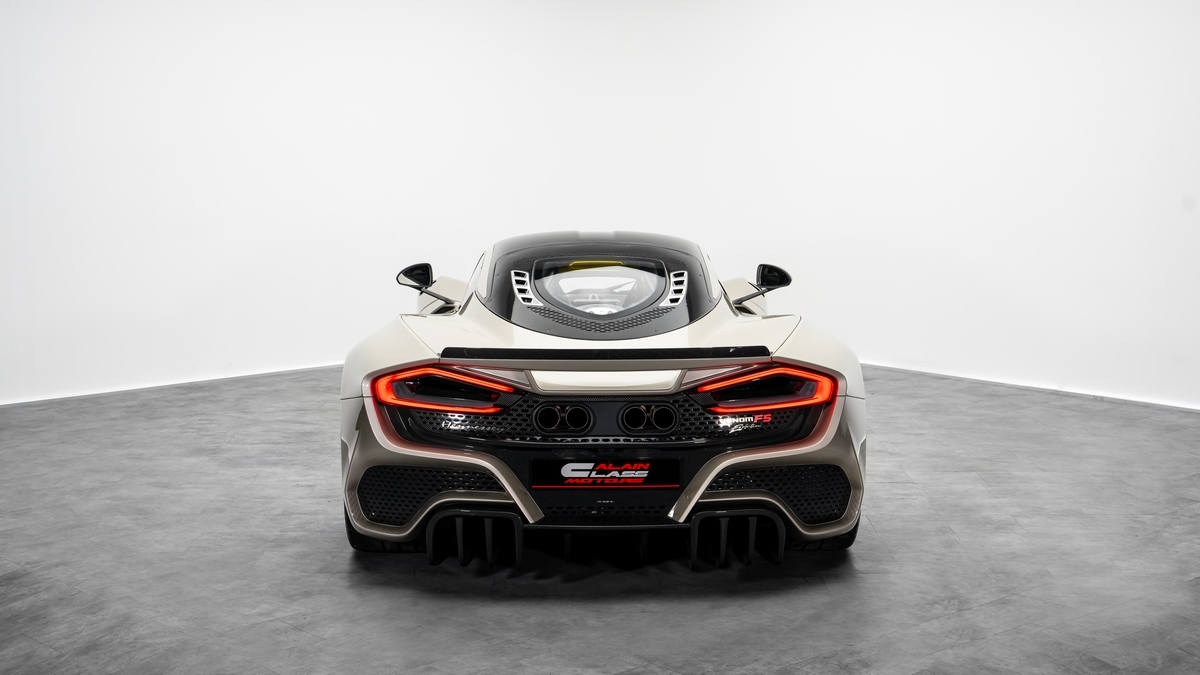
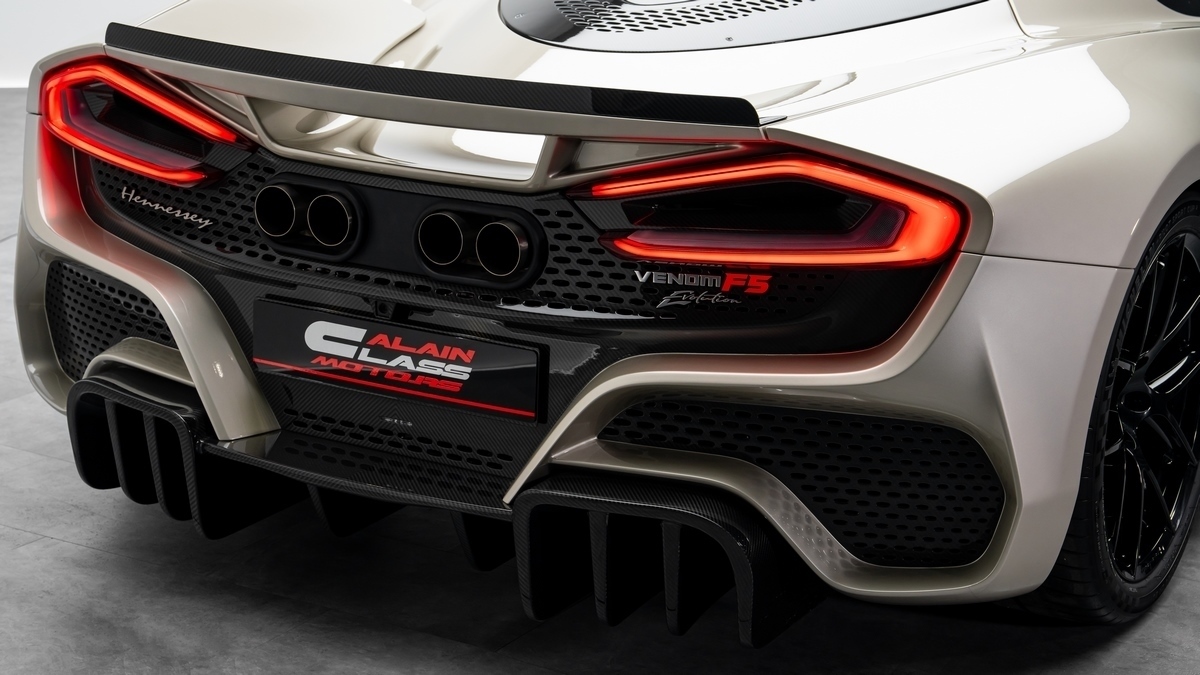
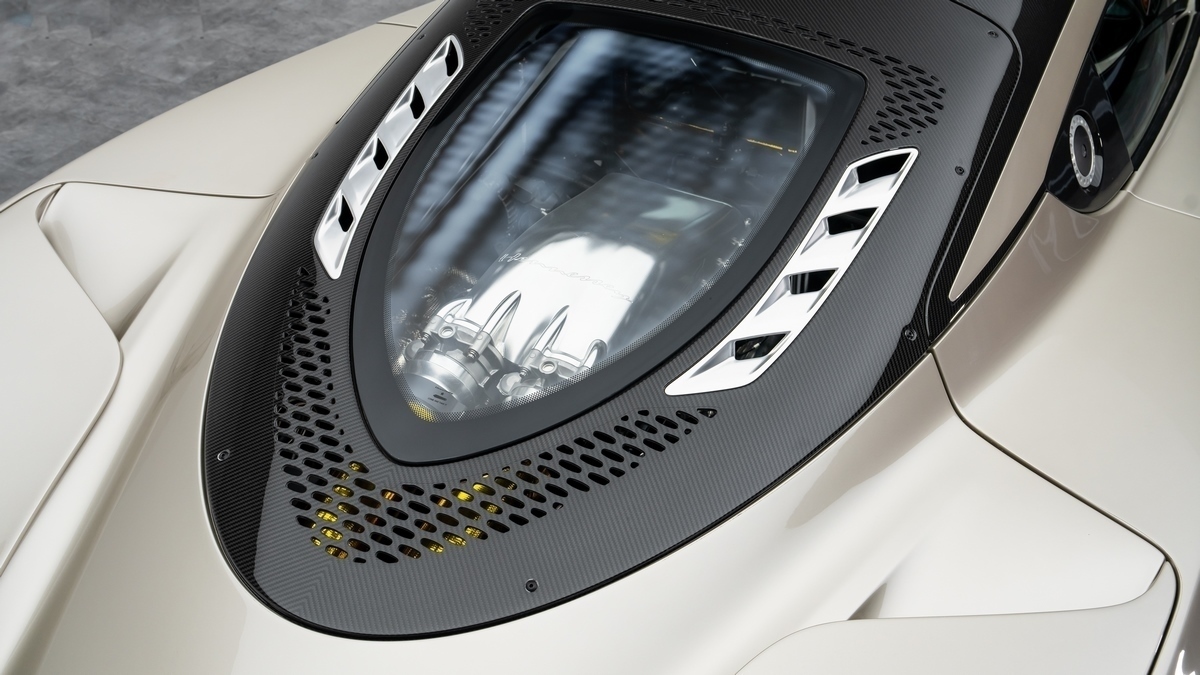
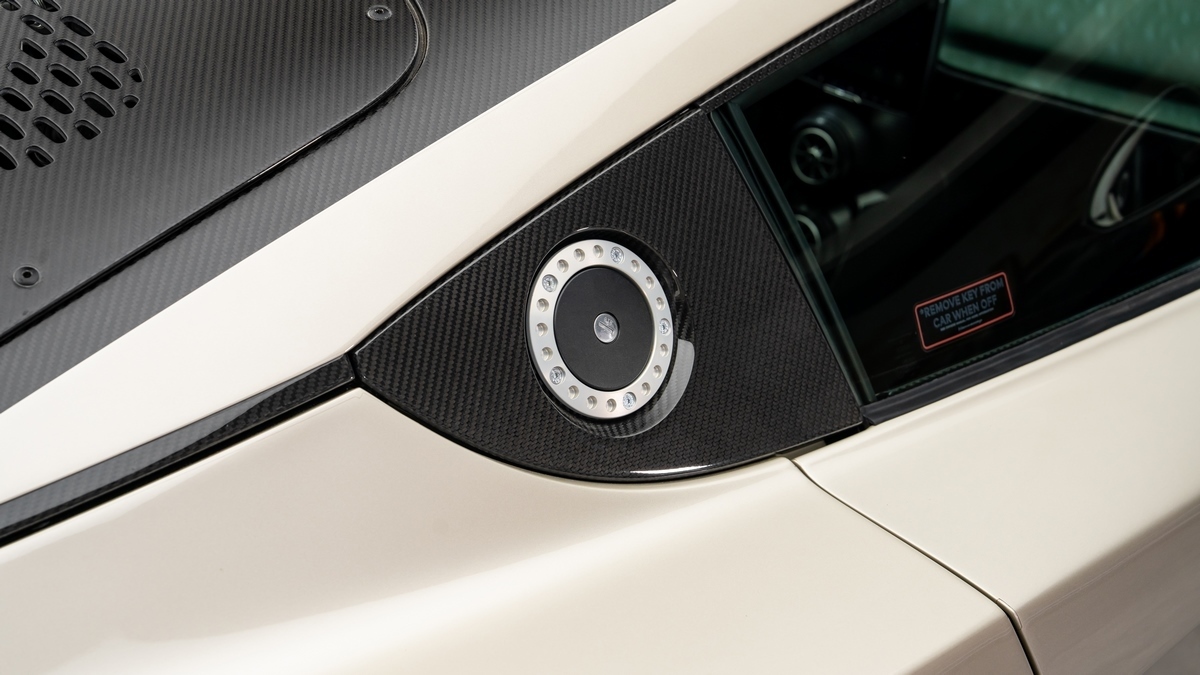
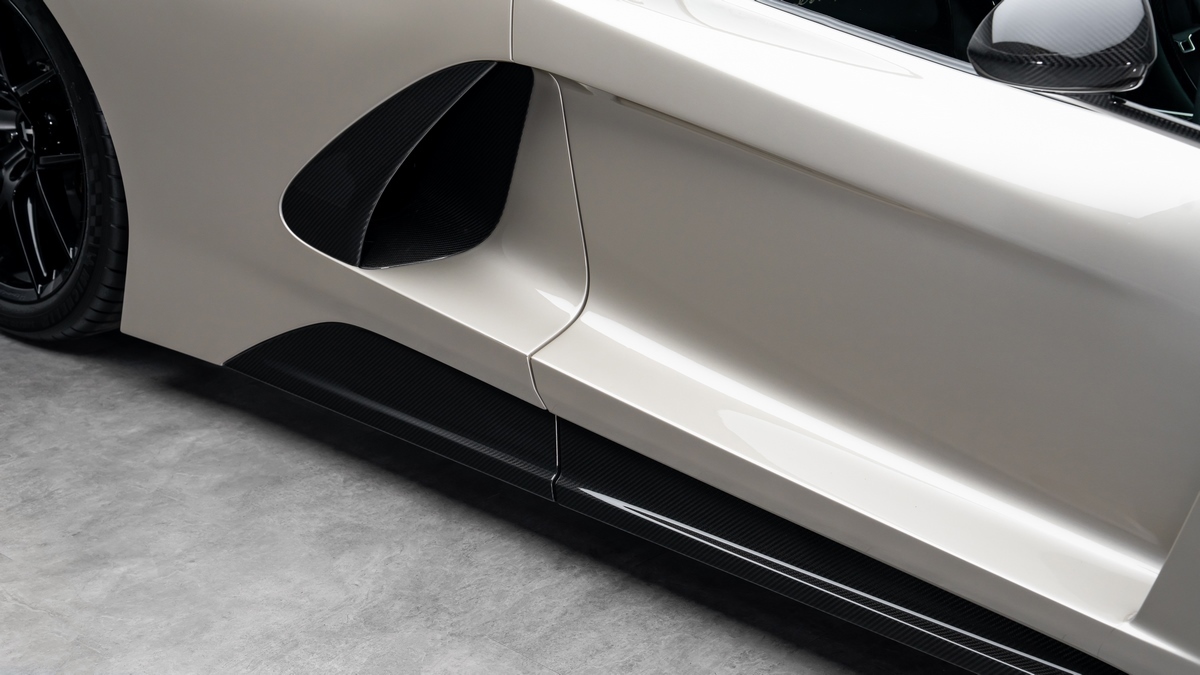
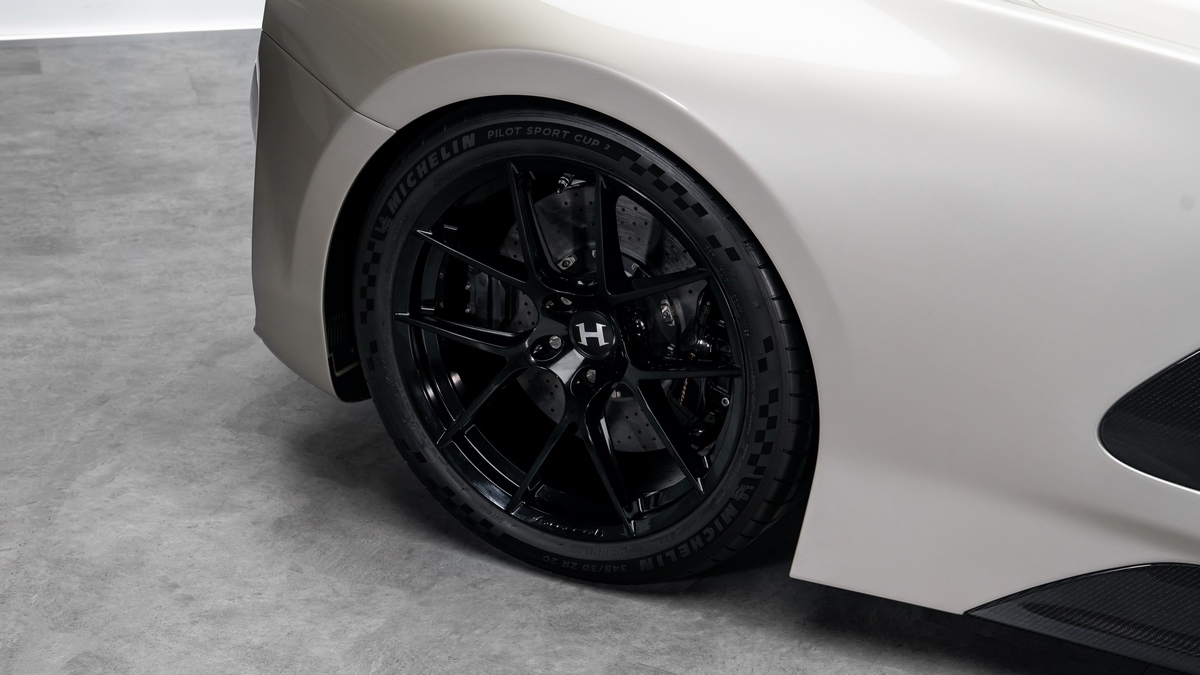
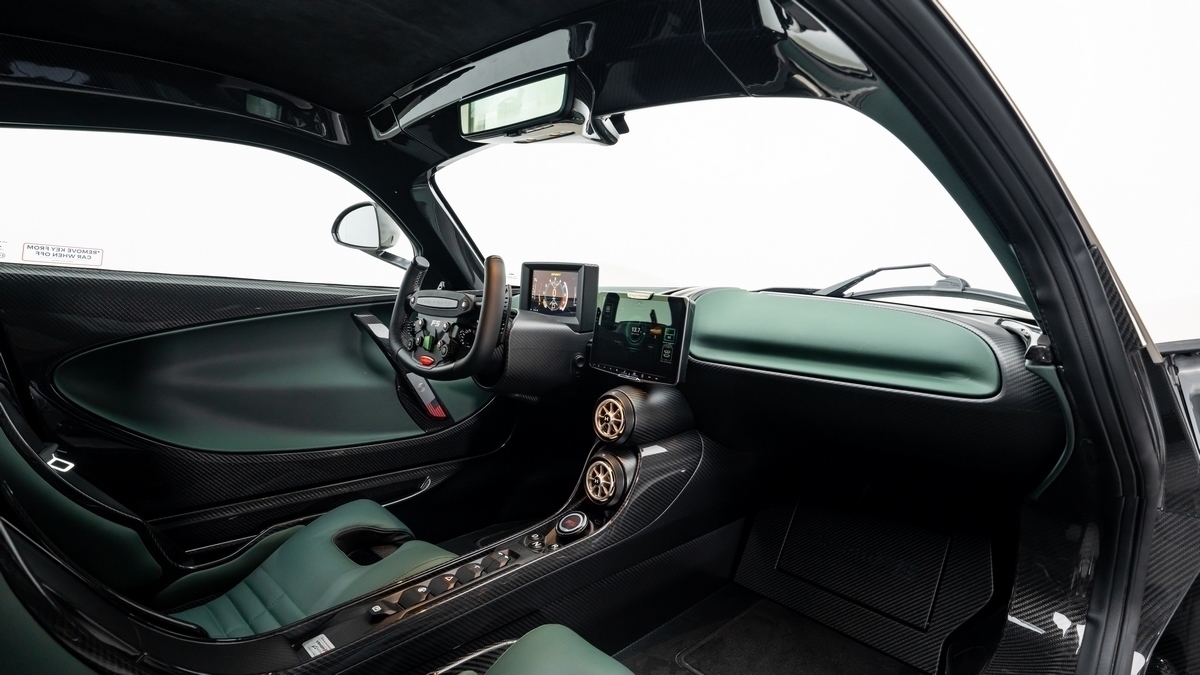
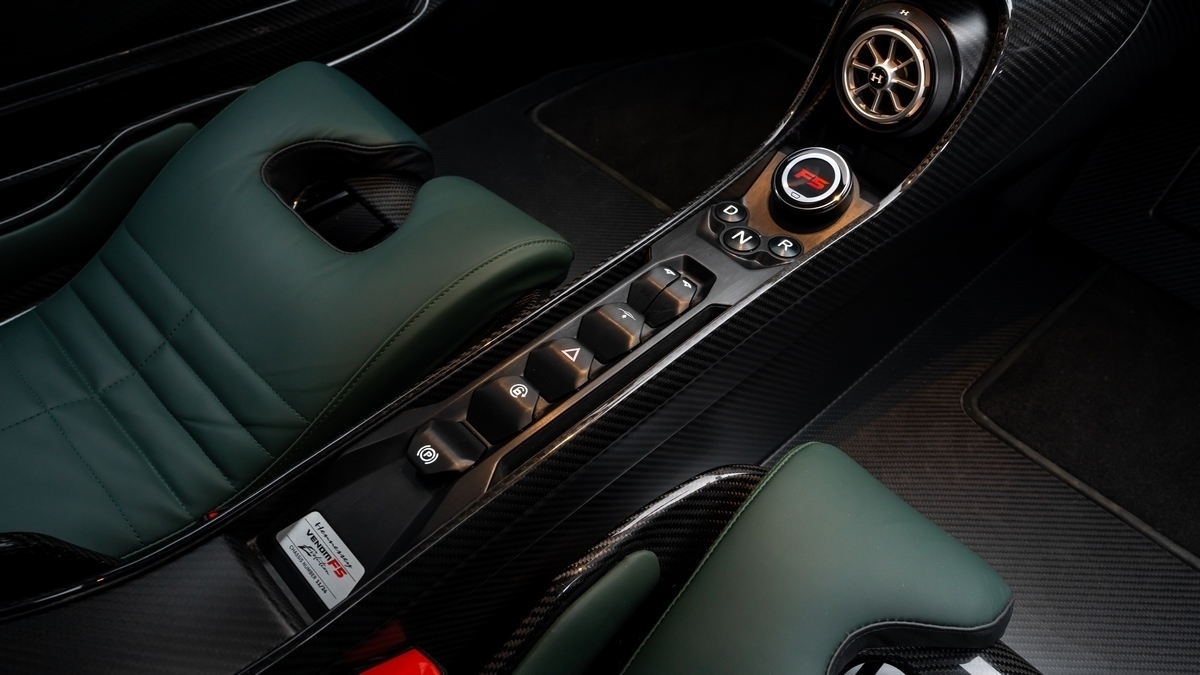
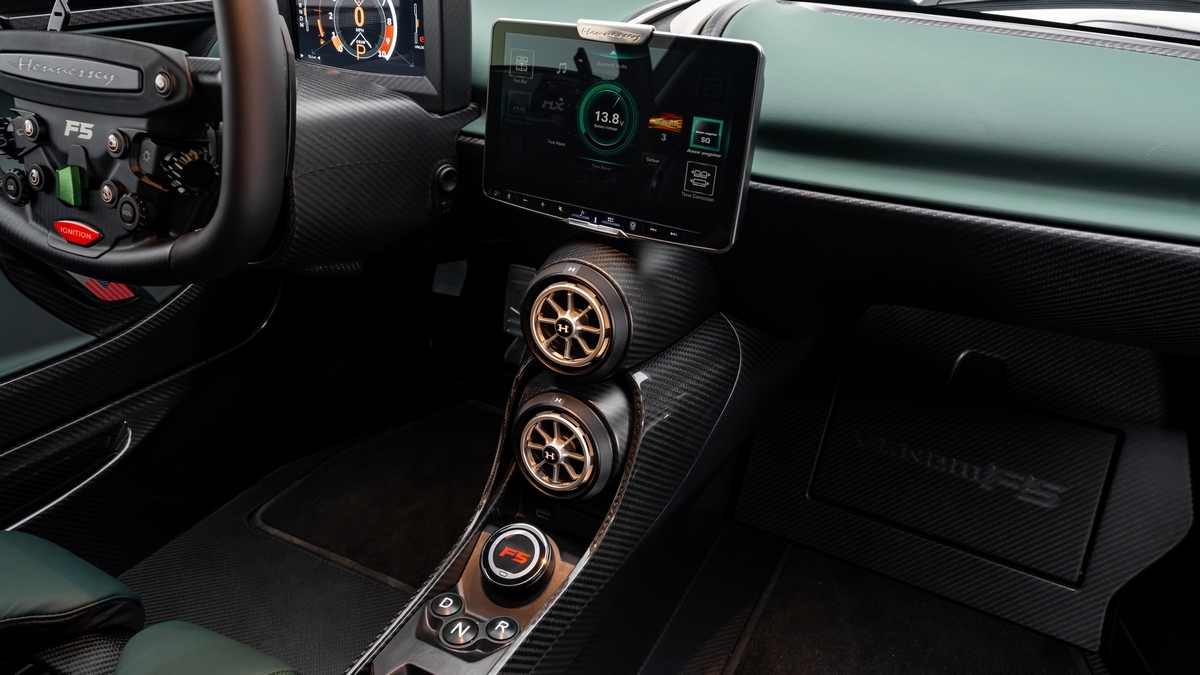
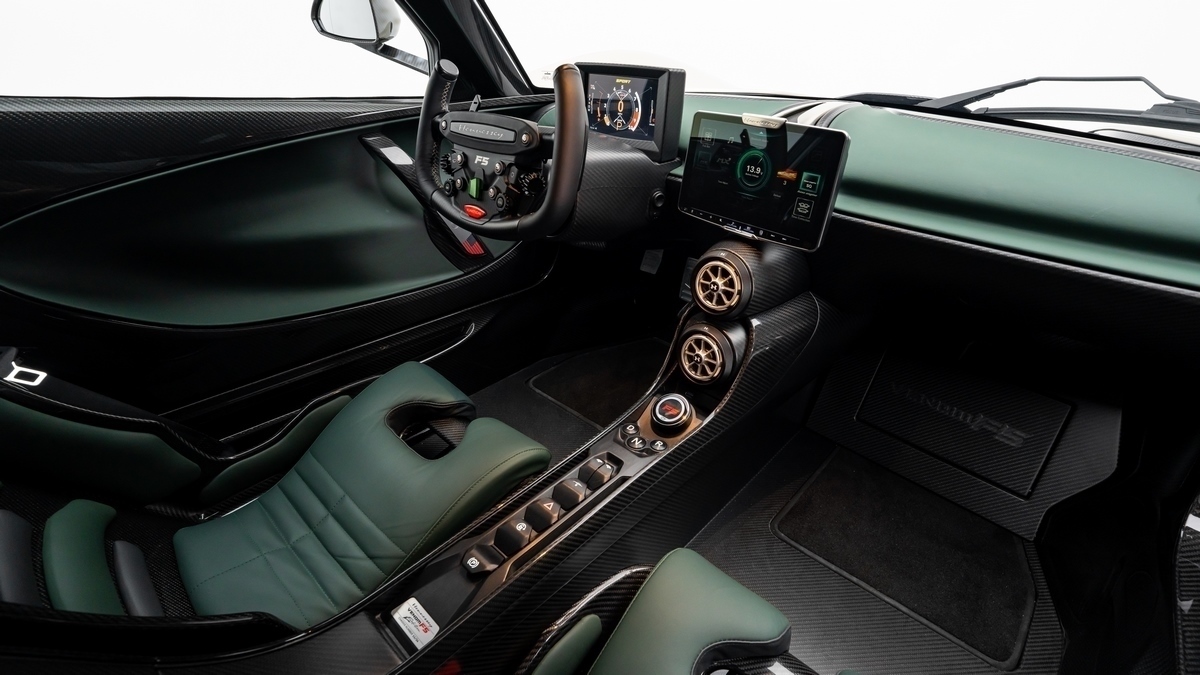
The Venom F5 program is produced in very limited numbers, with the Evolution specification representing the most advanced and least common configuration within the range.
Secondary market availability – 2/5
Very few examples are visible on the open market. Most units trade privately through brokers or remain held by original owners.
Average selling timeframe – 2.5/5
Selling periods are typically long, often nine to fifteen months, reflecting both price level and buyer selectivity.
Off-market scarcity – 1/5
Off-market availability is extremely low. Most transactions occur within restricted collector networks.
Production exclusivity – 3/5
Exclusivity is strong due to limited production and the optional Evolution upgrade, though total volumes remain higher than some bespoke European hypercars.
Maintenance cost impact – 2/5
Maintenance costs are high but expected. They do not materially impact value for UHNW buyers targeting performance-led assets.
Official record holder – 1/5
The F5 program targets speed records, but no fully homologated, independently verified record has yet been attributed to the Evolution variant.
Market depth – 1.5/5
Market depth remains narrow, dominated by performance-focused collectors rather than traditional concours-driven buyers.
Liquidity horizon – 1.5/5
Liquidity is long-term. The F5 Evolution is better suited to strategic holding than short-term resale.
MSRP to secondary market evolution – 3.5/5
Market value exceeds original MSRP plus Evolution package, reflecting demand for extreme ICE hypercars in a post-electrification context.
Mileage sensitivity – 4.5/5
Low mileage is critical. Sub-500 km examples command a clear premium over driven cars.
Substitution risk – 3/5
Substitution risk exists from other extreme hypercars, but few offer comparable 2,000+ hp internal combustion positioning.